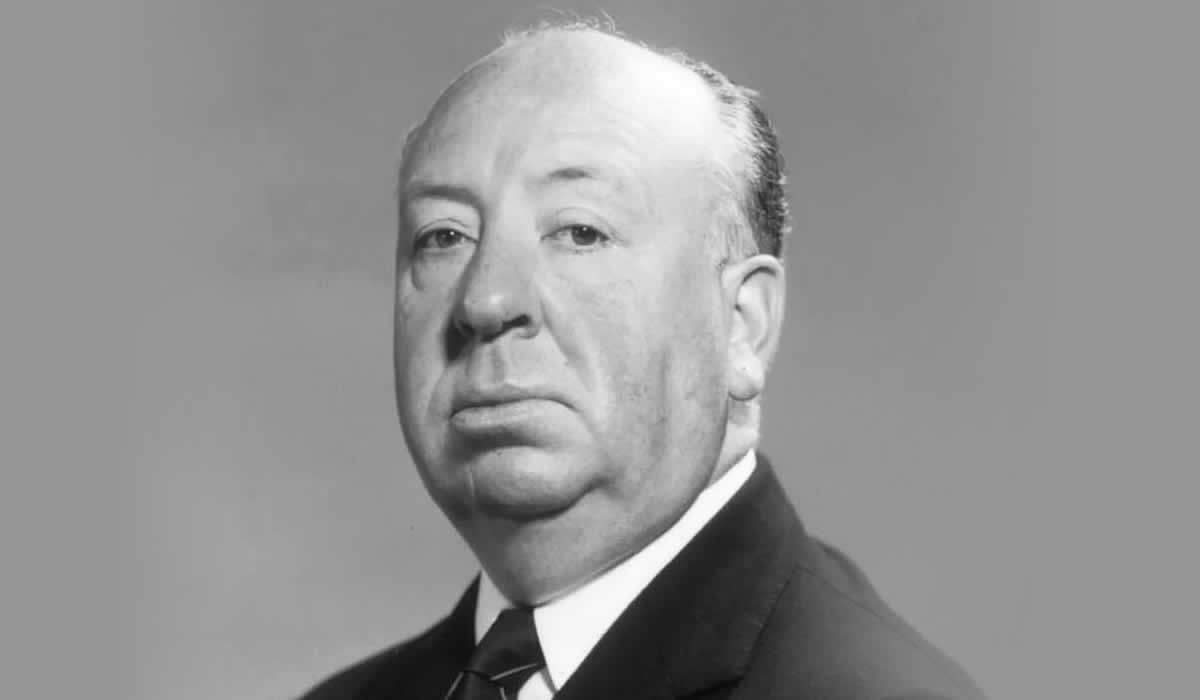
Alfred Hitchcock was a cinematic genius who understood exactly how to make audiences uncomfortable. He gave the world Psycho, Vertigo, Rear Window and The Birds, becoming one of the most influential directors in film history. But behind the famous profile, dark humour and carefully cultivated public persona was a man with a reputation for cruelty, manipulation and a disturbing obsession with controlling the women he worked with.
Hitchcock’s treatment of actresses, particularly Tippi Hedren, has become one of the darkest parts of his legacy. He was also notorious for humiliating practical jokes, deliberately undermining performers and making comments about horrific crimes that would make even his most devoted admirers uncomfortable. The Master of Suspense was apparently quite happy to create a little terror off camera too.
Is a prick because…
- He sexually harassed and allegedly assaulted Tippi Hedren: Hedren, the star of The Birds and Marnie, described Hitchcock’s behaviour in her autobiography. She alleged that he threw himself on top of her in his limousine and attempted to kiss her, later grabbing her sexually in his office. She also claimed he installed a connecting door between his office and her dressing room, became jealous when she spoke to other men and threatened to destroy her career when she rejected him. Hitchcock never publicly answered the allegations. Hedren remained under contract to him, and he refused to release her to work with other directors.
- He used real birds to terrorise an actress: During the filming of The Birds, Hitchcock subjected Hedren to several days of filming with live birds being thrown at her. She had been told mechanical birds would be used, but instead birds were attached to her clothing and released at her. One nearly pecked her in the eye, leaving her exhausted, injured and emotionally distressed. Filming was eventually stopped after she suffered a breakdown.
- He treated actors like pieces of equipment: Hitchcock famously joked that actors should be treated like cattle. He preferred to have every shot planned in advance and could become hostile when performers questioned his instructions. On Rebecca, he deliberately undermined Joan Fontaine’s confidence, encouraging her to believe that the other cast members disliked her. He wanted her to feel insecure because he thought it would improve her performance. His treatment of Montgomery Clift during I Confess also demonstrated his impatience with actors who wanted more creative input. To Hitchcock, performers were often props to be positioned rather than professionals deserving respect.
- His practical jokes could be downright sadistic: Hitchcock enjoyed humiliating people for his own amusement. He once persuaded a crew member to spend the night handcuffed, secretly giving him a laxative before leaving him stuck. He also reportedly played a cruel trick on an actress who was allergic to smoke by filling a phone booth with smoke during a scene. Some colleagues regarded his pranks as harmless fun, but others described a much nastier streak.
- He made a grotesque joke about the Moors Murders: When discussing Ian Brady and Myra Hindley, the British couple who murdered five children, Hitchcock reportedly described recordings of children screaming as they were buried alive as “jolly good stuff”. Even allowing for his notorious dark humour, it was a revolting comment about the torture and murder of children.
- He repeatedly reduced women to objects of obsession: Hitchcock developed a fixation on the appearance and behaviour of his blonde leading ladies, including Grace Kelly, Ingrid Bergman and Tippi Hedren. His interest frequently went beyond directing their performances, extending to their clothes, hairstyles and personal lives. His films often explored male obsession and the control of women, but his own relationships with certain actresses made those themes particularly uncomfortable.
Is not a prick because…
- He was one of cinema’s greatest innovators: Hitchcock’s influence on filmmaking is enormous. Psycho changed the horror genre, Vertigo is widely regarded as one of the greatest films ever made, and Rear Window remains a masterclass in suspense. His understanding of editing, sound, camera movement and audience psychology was extraordinary.
- He helped create opportunities for talented performers: Hitchcock worked with some of the greatest actors of his era and helped establish the careers of several leading actresses. His professional relationships were not universally abusive, and plenty of cast and crew members remembered him fondly. His working methods and personal behaviour were not experienced identically by everyone.
Hitchcock’s films remain masterpieces, but his reputation as a genius should never make his behaviour immune from scrutiny. Between the allegations of sexual abuse, the treatment of actresses, dangerous filming practices and cruelty towards colleagues, there was plenty going on behind the camera that was considerably less entertaining than his movies. He spent a lifetime frightening audiences with fictional monsters. Some of the people who worked for him had rather more personal reasons to be frightened.