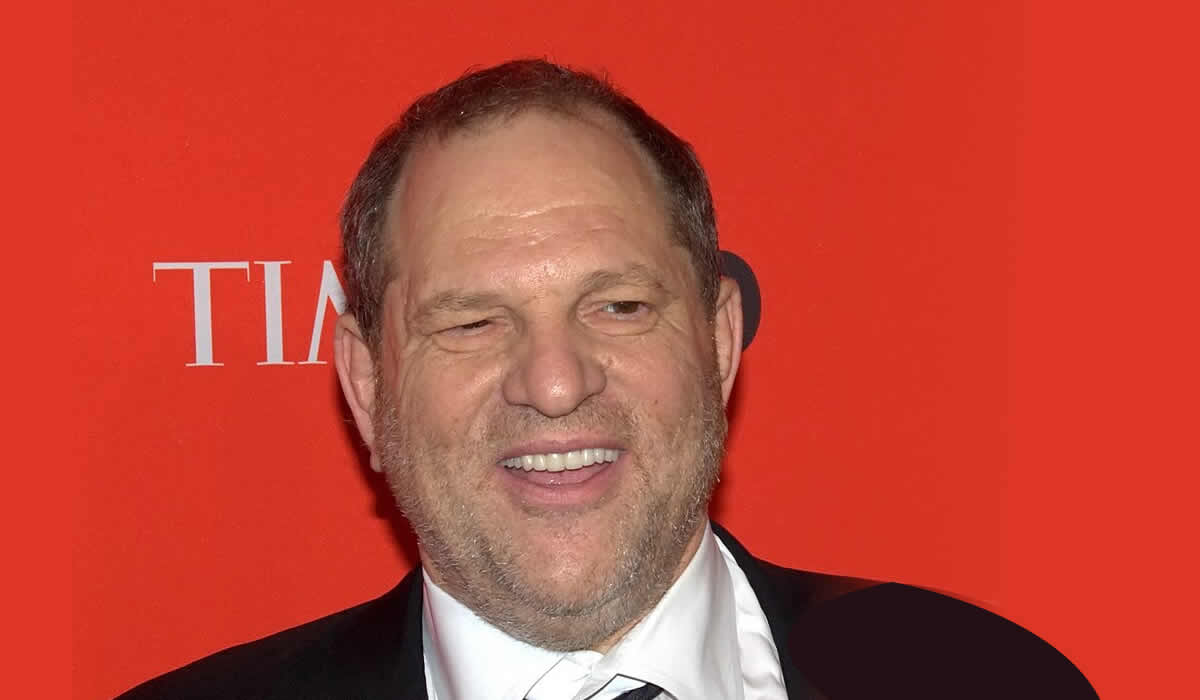
Harvey Weinstein is one of the most repulsive examples of what happens when a powerful, arrogant bully is allowed to operate without consequences for decades. A Hollywood heavyweight who treated women as disposable objects, his career was built on intimidation, sexual exploitation and the assumption that money, influence and a collection of celebrity friends could protect him from just about anything. He wasn’t simply a film producer with a nasty temper or an unpleasant reputation. He was a convicted rapist and sexual predator whose abuse of power became one of the defining scandals in modern entertainment. For years, he operated like a man who believed that owning half of Hollywood meant he owned the people working in it too.
Weinstein helped create some of the most successful independent films in cinema history, collected Oscars and cultivated relationships with politicians, actors and industry executives. Behind the awards and carefully managed public image, however, was a pattern of alleged sexual abuse, harassment, intimidation and professional retaliation that would eventually expose the rotten culture protecting him. More than 80 women have accused him of sexual misconduct. His downfall helped ignite the global #MeToo movement, but the truly astonishing part isn’t how far he fell. It’s how many people knew what was happening, how long it continued, and how much power he accumulated before anyone managed to stop him.
Is a prick because…
- He used his position to sexually exploit women: More than 100 women have accused Weinstein of sexual misconduct, including rape, sexual assault and harassment. His accusers included actresses, aspiring performers and employees whose careers depended on the industry he controlled. His behaviour wasn’t simply a series of inappropriate advances. It was an alleged pattern of using professional power, intimidation and sexual coercion to exploit women who were often in vulnerable positions.
- He treated Hollywood like his personal hunting ground: Weinstein allegedly used hotel meetings, auditions and supposed career opportunities to get women alone. Numerous accusers described being summoned to hotel rooms, where professional conversations turned into unwanted sexual advances or assaults. His position meant women often felt trapped between protecting themselves and potentially destroying their careers.
- He made professional success conditional on sexual compliance: Several women described being offered career opportunities in exchange for sexual favours, or being threatened with professional consequences after rejecting his advances. The power imbalance was enormous. Weinstein could make careers, destroy reputations and influence who got opportunities in Hollywood. He allegedly used that power to get what he wanted, regardless of what the women involved wanted.
- He tried to silence the women who exposed him: Rather than confront the allegations, Weinstein hired private intelligence companies, including Black Cube, staffed partly by former Israeli intelligence operatives. Investigators used false identities to approach accusers and journalists, gather information and undermine reporting. One of their objectives was to prevent damaging stories from being published. Imagine being so desperate to avoid accountability that you hire spies to investigate women who say you’ve assaulted them.
- He benefited from a culture of intimidation and silence: Weinstein’s behaviour was an open secret in parts of Hollywood long before the 2017 investigations brought it into public view. Employees, executives and industry insiders have faced scrutiny over what they knew and whether they helped protect him. His influence, legal threats and willingness to intimidate people helped create an environment where women could be victimised while the industry continued making money.
- He received years of protection from people who valued money over decency: Weinstein was an extraordinarily powerful producer whose films generated enormous profits and industry prestige. That influence helped him maintain relationships with celebrities, executives and politicians despite his growing reputation. His downfall exposed an entertainment industry where protecting a profitable individual could take precedence over protecting the people he was accused of abusing.
- He was convicted of rape and sexual assault: In December 2022, a Los Angeles jury convicted Weinstein of rape and sexual assault involving an Italian model and actor. He received a 16-year prison sentence. In June 2025, a New York jury also convicted him of sexually assaulting former production assistant Miriam Haley in 2006. He received another 15-year sentence in September 2026. His original 2020 New York conviction had been overturned on procedural grounds, but the subsequent conviction demonstrated that his legal problems were far from over.
- Even his legal battles reveal the scale of the damage: His 2025 New York retrial resulted in an acquittal on a separate charge involving Kaja Sokola, while jurors could not agree on a rape charge involving Jessica Mann. After another mistrial in 2026, prosecutors dropped that charge when Mann said she could not endure another trial. Weinstein’s California convictions were upheld on appeal in June 2026, although his sentence must be reconsidered. These distinctions matter, but they do nothing to erase the convictions that remain.
Is not a prick because…
- He helped produce some genuinely brilliant films: Weinstein was responsible for some of the most influential independent films of the 1990s and 2000s, including Pulp Fiction, Good Will Hunting, The English Patient and Shakespeare in Love. His contribution to cinema was substantial. Unfortunately, producing award-winning films doesn’t make someone a decent human being.
- His downfall helped expose Hollywood’s culture of abuse: The investigations into Weinstein helped ignite the global #MeToo movement, encouraging women to speak publicly about sexual harassment and assault. His actions became a catalyst for a much wider examination of workplace abuse and the powerful people who protected perpetrators. That’s an important consequence of his exposure, although it hardly counts as a personal achievement.
Harvey Weinstein is a particularly ugly example of what happens when wealth, influence and unchecked power combine with a complete disregard for other human beings. He spent decades operating in an industry that rewarded his success while women described being abused, intimidated and silenced. His films may have entertained millions, but his legacy will be defined by the women he exploited and the people who helped protect him. He wasn’t some misunderstood Hollywood genius with a difficult personality. He was a powerful man who believed the rules didn’t apply to him, and he spent years making other people pay for that arrogance. Now he’s paying for it himself.